Need immediate help? Call the Oregon Recovery Crisis Line: (503) 223-8569  •  24/7  •  Click Here to view Recovery Resources
  • Published on

    RRP Episode 101 – Building a Life After Prison: Austin’s Path Through Recovery and Service

    From incarceration to self-worth, identity, and the daily work of recovery.
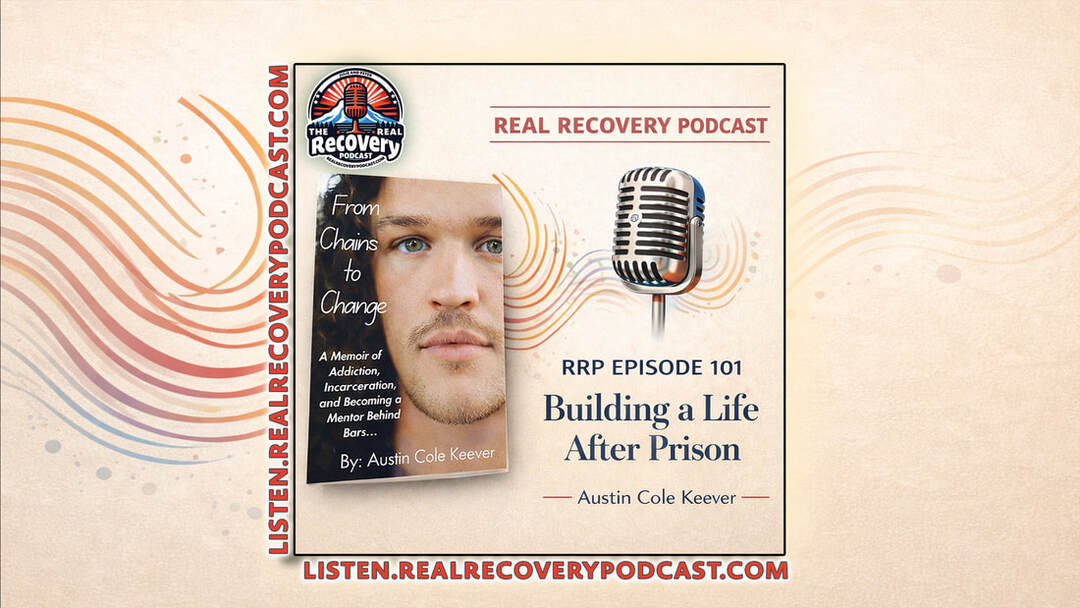
    ​In RRP Episode 101, Julie and Peter sit down with Austin Cole for an honest and reflective conversation about incarceration, recovery, and what it truly means to build a life after prison. Austin’s story is not framed as a single turning point, but as an evolving process—one shaped by mentorship, self-reflection, and learning how to meet emotional needs in healthier ways. Listeners can hear the full conversation on the Real Recovery Podcast.
    From Prison to Possibility
    Austin shares openly about his time at the Oregon State Penitentiary and how incarceration became an unexpected space for education and internal change. Rather than describing prison solely as loss, he reflects on how structure, learning, and mentorship helped him begin reshaping his values and beliefs.
    Share with your Friends & Family
    A pivotal part of Austin’s journey involved relationships formed while incarcerated—people who saw potential when he struggled to see it himself. These connections helped shift his mindset from simply getting through each day to imagining a future grounded in growth and responsibility.
    Recovery as an Evolving Process
    Throughout the conversation, Austin emphasizes that recovery is not static. What worked early on changed as his understanding of himself deepened. He speaks candidly about how his values shifted over time and how learning self-love became central to his recovery.
    “I’m doing this for myself and I’m doing this because I love myself.”
    Austin Cole
    This shift, from external validation to internal accountability, marks a major theme of the episode. Austin describes how recovery matured alongside his identity—moving beyond survival and into intentional living.
    Community, Emotional Needs, and Growth
    Julie and Peter explore with Austin how unmet emotional needs often show up as conflict, frustration, or misunderstanding—both in recovery spaces and in everyday life. Austin reflects on learning to recognize those needs in himself and others, and how communication and compassion play a role in long-term recovery.
    The episode also touches on the balance required when working in recovery while maintaining personal recovery. Austin speaks honestly about meetings, recovery environments, and the ongoing effort it takes to stay grounded and accountable.
    Building a Life After Prison
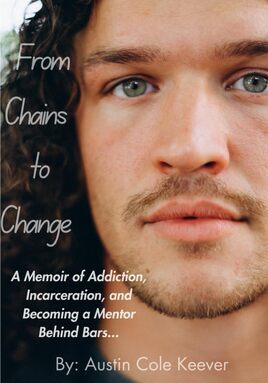
    Rather than presenting recovery as a finish line, this episode highlights it as a continuous practice. Austin’s journey underscores the importance of mentorship, community, and self-reflection in building a life after incarceration. He also references his work connected to Cleanse Wellness Company and the motivation behind sharing his story more publicly, including through his book Chains to Change.
    Links to Websites Discussed
    ​#RealRecoveryPodcast #RecoveryJourney #LifeAfterPrison #AddictionRecovery #Reentry #Healing #CommunitySupport #SecondChances
  • Published on

    RRP Episode 100 – Bill M: One Honest Day at a Time in Long-Term Recovery

    What accountability, humility, and staying present really look like after sobriety.

    Reaching 100 episodes is a meaningful milestone for the Real Recovery Podcast, and we chose to honor it the same way we always have—by centering lived experience and honest conversation. In this episode, Bill M joins us to talk about long-term recovery and the work that continues long after someone stops using. This is a grounded, real discussion about responsibility, growth, and choosing recovery one honest day at a time.
    Long-Term Recovery Beyond Sobriety
    Bill shares openly about what long-term recovery requires beyond simply getting sober. He reflects on learning how to be honest with himself, taking responsibility for his actions, and staying engaged in the work of recovery even when it’s uncomfortable. This episode speaks directly to the reality that recovery is not a finish line, but an ongoing process that requires intention and effort.
    Share with your Friends & Family
    Accountability, Relapse, and Rebuilding Trust
    A central theme of this conversation is accountability. Bill talks candidly about relapse, what he learned through self-reflection, and how taking ownership of his choices became a turning point in his recovery. He also discusses rebuilding trust—both with others and with himself—and how consistency over time matters more than words alone.
    Community, Service, and Staying Present
    Bill emphasizes the role of community and connection in sustaining recovery. He shares how being involved, staying present, and giving back have helped him remain grounded. Rather than avoiding discomfort, Bill describes learning how to sit with difficult emotions and continue showing up—an essential part of long-term recovery.
    A Milestone Episode
    Episode 100 is a reminder of why these conversations matter. Recovery is not about perfection or having all the answers—it’s about honesty, accountability, and continuing the work, one day at a time. Bill’s story reflects the reality that growth often comes through humility, connection, and persistence.
    ​“I had to stop blaming everything else and really look at my part in it. That’s when recovery actually started to stick.”
    — Bill M
    Links to Websites Discussed
    If this conversation resonates with you, we invite you to listen to RRP Episode 100 and share it with someone who may need to hear it today.
    Listen here: https://mdcr1.com/100
    Read the show notes: https://mdcr1.com/100
    #RealRecoveryPodcast #Episode100 #LongTermRecovery #RecoveryJourney #Accountability #OneDayAtATime 
  • Published on

    RRP Episode 99. Ebony — Choosing Recovery, Rebuilding Trust, and Living the Work (Part Two)

    ​What happens after awareness turns into action

    In part two of this two-part conversation, Ebony continues her story by stepping into the realities of recovery. Picking up exactly where part one ended, this episode focuses on what comes after awareness — the choices, challenges, and ongoing work that shape early recovery. Rather than presenting recovery as a single turning point, Ebony shares what it looked like to begin doing things differently, one decision at a time.
    From Awareness to Action
    As this episode begins, Ebony reflects on the moment awareness turned into responsibility. Recognizing patterns was no longer enough — change required action. She shares what it meant to start making different choices, even when those choices felt uncomfortable or unfamiliar.
    Share with your Friends & Family
    ​This part of the conversation highlights how recovery often begins quietly, not with certainty, but with willingness. Ebony’s story speaks to the courage it takes to move forward without having everything figured out.
    The Realities of Early Recovery
    Ebony speaks candidly about the challenges of early recovery, including learning how to sit with emotions instead of escaping them. Old survival patterns didn’t disappear overnight, and new tools had to be practiced before they felt natural.
    ​Rather than framing recovery as immediate relief, this episode offers an honest look at the work involved — building structure, asking for help, and staying accountable even when progress feels slow.
    Rebuilding Trust and Learning to Stay Present
    A central theme in part two is rebuilding trust, especially trust with oneself. Ebony shares how recovery required learning to stay present, to respond instead of react, and to show up consistently even on difficult days.
    ​Support systems and accountability played a critical role in this process. The episode underscores how recovery is rarely done alone, and how connection can become a foundation for long-term healing.
    Recovery as an Ongoing Practice
    As the conversation continues, Ebony emphasizes that recovery is not a finish line. It is a daily practice shaped by honesty, reflection, and continued growth. This perspective reframes recovery as something lived, not achieved — a process that evolves over time.
    ​Her reflections offer reassurance to listeners who may feel pressure to “get it right,” reminding us that progress often looks like persistence rather than perfection.
    ​“I had to learn how to sit with myself instead of trying to escape how I felt.” — Ebony
    ​Part two of Ebony’s story brings the focus to what’s possible when awareness turns into commitment. By sharing the realities of early recovery and the work that followed, Ebony offers listeners both hope and honesty. Her story reminds us that recovery is built through small, intentional steps — and that meaningful change is possible, even when the path forward feels uncertain.
    Listen & Explore More
    If you haven’t yet, start with Part One (Episode 98) to hear the foundation of Ebony’s story, then continue the journey here. If this episode resonates, consider sharing it with someone who may need to hear that recovery is a process — and that they don’t have to walk it alone.
    #RealRecoveryPodcast, #AddictionRecovery, #RecoveryJourney, #EarlyRecovery, #LivedExperience, #HealingInProgress, #SobrietyStories
  • Published on

    RRP Episode 98. Ebony — Trauma, Identity, and the Road That Led to Recovery (Part One)

    Understanding the roots of addiction before recovery begins

    ​In part one of this two-part conversation, Ebony joins Julie and Peter to share the early chapters of her lived experience. This episode focuses on the before — the trauma, identity struggles, and survival strategies that shaped her path into addiction long before recovery felt possible. Rather than rushing to solutions, this conversation stays grounded in understanding the “why,” offering listeners space to reflect on how pain, disconnection, and coping behaviors take hold.
    The Early Foundations of Trauma and Identity
    Ebony begins by sharing formative experiences from her early life that influenced how she saw herself and the world around her. These moments shaped her sense of identity and belonging, laying groundwork that would later influence her relationship with substances. The conversation highlights how trauma doesn’t always announce itself loudly — sometimes it quietly embeds itself in daily survival.
    Share with your Friends & Family
    ​As Ebony reflects on these experiences, it becomes clear how early emotional wounds can shape coping strategies long before someone recognizes them as harmful. This part of the story centers on context, not judgment, and emphasizes the importance of understanding lived experience as a foundation for healing.
    Survival, Coping, and Emotional Disconnection
    As the conversation unfolds, Ebony describes the ways survival patterns and emotional disconnection developed over time. These coping mechanisms served a purpose — helping her get through moments that felt overwhelming or unsafe — but they also created distance from herself and others.
    Substance use is discussed not as a moral failing, but as a response to unresolved pain. Ebony’s honesty sheds light on how addiction can function as an attempt to manage emotions, avoid vulnerability, and maintain control in the absence of safer tools.
    The Cost of Staying Disconnected
    Throughout part one, Ebony begins to recognize patterns — noticing the emotional and relational costs of staying disconnected. Moments of awareness surface, not as dramatic turning points yet, but as subtle cracks in old narratives. These realizations mark the beginning of questioning long-held beliefs and coping strategies.
    ​This section of the episode underscores that awareness often comes before action. For many people, understanding the impact of trauma and addiction is a necessary step before recovery can truly take root.
    Why Understanding the “Why” Matters
    Part one closes by reinforcing the importance of naming the underlying pain beneath addiction. Ebony’s reflections highlight why trauma-informed conversations are essential — not just for people in recovery, but for families, providers, and communities seeking to support healing.
    ​“I didn’t even realize how much I was carrying until I finally stopped running from it.” — Ebony
    What’s Next
    This conversation continues in Part Two (Episode 99), where Ebony shares how recovery began to take shape, what healing looked like in practice, and the work she’s doing today. Part two picks up exactly where this episode ends.
    Listen & Explore More
    ​If this episode resonates with you, stay tuned for Part Two and consider sharing this story with someone who may need to hear it. Recovery starts with understanding — and no one has to do it alone.
    #RealRecoveryPodcast, #AddictionRecovery, #TraumaAndRecovery, #LivedExperience, #RecoveryJourney, #HealingThroughUnderstanding, #SobrietyStories
  • Published on

    RRP Episode 97 – Quentin: Relapse, Shame, and the Courage to Come Back

    ​A raw conversation about relapse, accountability, and finding the strength to return when shame tells you not to.

    Relapse is one of the most difficult and misunderstood parts of recovery. In RRP Episode 97, Quentin joins Julie and Peter to share an honest, unfiltered look at what happens when someone drifts away from recovery, the shame that follows, and the courage it takes to come back. This episode doesn’t sugar-coat the reality of relapse—it speaks directly to those who feel disconnected, discouraged, or unsure how to return.
    Share with your Friends & Family
    When Recovery Slowly Slips Away
    Quentin describes how relapse didn’t happen all at once. It started quietly—by stepping away from the routines, relationships, and accountability that had once kept him grounded. As distance from recovery grew, so did isolation. Shame made it harder to speak up, harder to ask for help, and easier to stay silent.
    This part of Quentin’s story reflects a truth many in recovery recognize: relapse often begins long before substance use returns.
    Shame, Accountability, and the Cost of Silence
    One of the most powerful themes in this conversation is accountability. Quentin speaks openly about how shame kept him from being honest with himself and others—and how that silence caused real damage to trust and relationships. Rather than framing relapse as failure, Quentin emphasizes responsibility: owning what happened, acknowledging the impact, and choosing to face it head-on.
    ​Recovery, as this episode makes clear, isn’t about avoiding mistakes—it’s about what we do after them.
    Choosing Help When It Matters Most
    At a critical moment, Quentin made a decision that changed everything. Faced with overwhelming despair, he chose to reach out for help instead of giving up.
    “You are going to kill yourself, sir. So going to therapy was like my final attempt before I really attempt something bigger.” — Quentin
    This moment underscores the life-and-death importance of access to support, culturally responsive care, and spaces where people feel seen and understood.
    Coming Back and Rebuilding Trust
    Returning to recovery wasn’t easy. Quentin talks about the work required to rebuild trust—with others and with himself. He shares how community, honesty, and persistence helped him reconnect, stay present, and continue moving forward. His story is a reminder that coming back takes courage—and that recovery communities matter most when things fall apart.
    Quentin’s story challenges the idea that relapse defines a person. Instead, it shows that recovery is about honesty, accountability, and the willingness to return—even when shame tells you not to. This episode offers hope to anyone who feels disconnected and reminds listeners that it’s never too late to come back.
    Listen and Learn More
    ​#RealRecoveryPodcast, #RecoveryJourney, #RelapseRecovery, #RecoveryIsNotLinear, #AccountabilityInRecovery, #HealingInRecovery, #SobrietySupport, #RecoveryCommunity, #MentalHealthRecovery
    @RealRecoveryPodcast
  • Published on

    RRP Episode 96 – Community, Commitment, and Carrying Recovery Into the New Year

    ​A New Year’s reflection on gratitude, service, and the power of showing up together.

    Episode 96 of the Real Recovery Podcast marks the start of a new year with a conversation rooted in gratitude, reflection, and community. Julie, Peter, and Collette come together to reflect on the year behind them and share intentions for the year ahead, before turning the microphone outward to voices from the GTD – Go the Distance fundraiser at City Liquidators. This episode captures the collective spirit of recovery and the importance of staying connected as the calendar turns.
    Share with your Friends & Family
    A Collective Reflection on Recovery
    Rather than focusing on one individual story, this episode brings together many voices that represent what recovery looks like in community. Julie, Peter, and Collette reflect on gratitude, growth, and the role Real Recovery Podcast plays not just for listeners, but for their own recovery as well. The conversation highlights how recovery is sustained through relationships, accountability, and shared purpose.
    “We can’t predict the future. Tomorrow’s not promised, which is why you’ve got to make the most of today.” — Julie
    Live Voices from the GTD Fundraiser
    Recorded live at City Liquidators, the second half of the episode features short interview clips from the GTD fundraiser. These moments offer a glimpse into the heart of the recovery community—supporters, organizers, alumni, and partners who continue to show up for one another.
    Izzy Alvarado, founder and executive director of GTD – Go the Distance, shares gratitude for the community that has grown around the organization, the sponsors and volunteers who make the work possible, and the ongoing commitment to recovery. The episode also includes reflections from Pam, the owner of City Liquidators, who speaks candidly about why recovery support is personal and meaningful to her.
    Looking Ahead
    As the episode closes, Julie, Peter, and Collette share intentions for the coming year—both personally and for the podcast. The message is clear: recovery is not about perfection or predicting the future, but about staying present, learning from the past, and continuing to show up with intention and care.
    Links to Websites Discussed
    #RealRecoveryPodcast, #GTDGoTheDistance, #RecoveryCommunity, #NewYearRecovery, #RecoverySupport, #CommunityCare
    @GTDGoTheDistance