- Published on
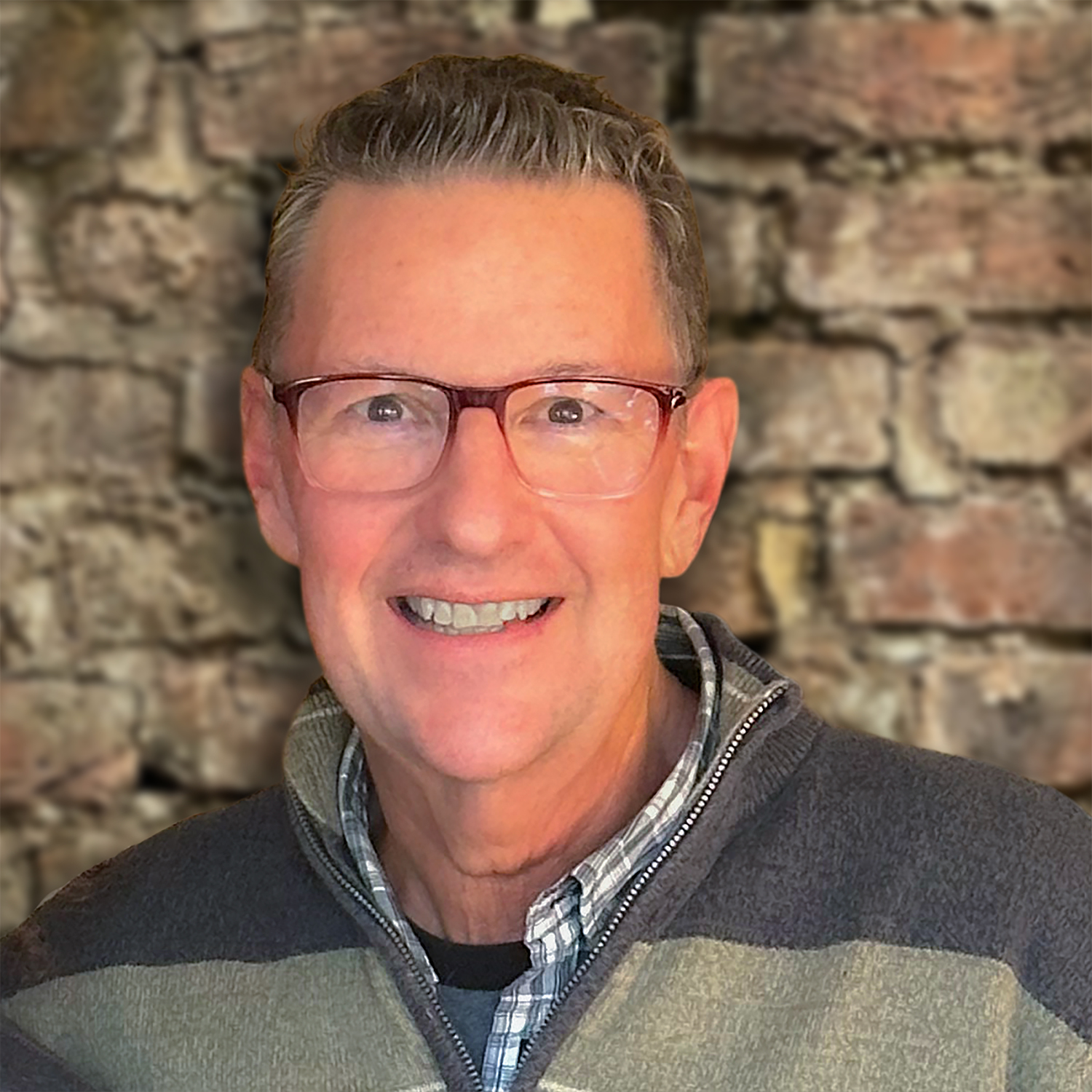
RRP 103 — Luciano N.; Don’t Stop Before the Miracle: One Man’s Journey Through Homelessness, Relapse, and Real Recovery
- Author
-
-
- Name
- Posts
- Posts
-
From the MAX Train to the Treatment Center — and Finally, to Himself

Guest Background
Struggles and Turning Points
“Don’t give up on yourself in the journey. The journey is the miracle, the path that you lead every day.”
From there, Luciano made his way to Blanchet House — a shelter and transitional program in Old Town Portland where residents work in the kitchen for 90 days, serving meals to the community they now belong to. The discipline of it steadied him. The humility of it cracked something open. Sitting on the balcony at the end of his first week, feelings rushing back after months of numbing, Luciano wept. He called his family. He told them where he was.
Near the three-month mark, as he was about to be eligible to start looking for work, he relapsed. Too prideful to come clean, he ran off rather than disclose it. A friend let him stay for a month. When that situation grew unstable, he asked Blanchet if he could come back. They said yes. He came back with more gratitude and more groundedness — and relapsed again at New Year’s. This time, he owned up to it immediately. It was one of the first times he had been fully honest without running. Blanchet’s rules required them to let him go, but they gave him a week to find a plan. A peer suggested treatment. The next day, Luciano sat across from John Morgan at Another Chance and, as he put it, went “full therapist, deep level kind of stuff” before realizing he just needed to talk about his substance use. He got in. He got a job at a credit union. He finished treatment. He invited his family to his graduation.
Months later, he relapsed again. Ten days of bar-hopping, losing his phone, losing his wallet, losing everything. He collapsed at Laurel Hurst Park, unable to get up. Strangers walked by and called him a bum. Something in him fired. He crawled to the hospital. The next morning, he walked across the city to the offices of what was then MHAAO — now The Peer Company — and found Terry, a peer support specialist he knew from the Kings and Queens meeting at True Colors. He walked in in scrubs. He broke down. He said he had messed up. Terry said: what do you want to do?
He wanted detox. He went to Hooper. He went back to Another Chance — this time to the east side, this time as an angry, defeated, finally-honest version of himself. And this time, for the first time, he allowed himself to feel whatever he was feeling without performing his way around it.
The Work He Is Doing in Recovery and His Community
After completing his second round of treatment, Luciano moved into a sober home through Sober Housing Oregon, one of Rob Lock’s houses. He went to one, sometimes two AA meetings a day. He took it slowly. Eventually, Rob asked him to become house manager.
He almost said no. A friend in his home group stopped him. The role would force him to set boundaries, his friend said. Boundaries were his biggest problem. He said yes.
Being house manager was not easy. It required him to enforce rules with people he cared about. It required accountability in moments where he would rather look away. And it required him to hold steady through something he had hoped would never happen: a housemate died of an overdose.
Luciano had to jump through a window to reach him — and found him unconscious, already past the point of saving. He held steady. He held the house together in the aftermath, organizing a celebration of life when the man’s family flew in. The family kept saying they were grateful their son had been surrounded by people who loved him in his final months. For Luciano, the loss reawakened something essential: the understanding that recovery is real, the stakes are real, and there is no performing your way through it.
The day before his second treatment graduation, Luciano stopped by Atlas Treatment Center to ask about housing resources. The founder asked what he was doing with his life. Luciano listed his options. The founder said: work here. Luciano told him he was taking a big chance on someone who did not know much. The founder said he was not taking a chance — he could see it.
Luciano graduated the next morning. He has been Director of Operations at Atlas ever since. He is also reconnecting with his Latin culture and his queer community, dancing sober at Portland clubs, and building a life that does not require a mask.
Luciano’s story resists easy framing. It is not a straight line from suffering to salvation. It includes relapse, and relapse again, and the slow painful work of learning that being honest is not a weakness but the only foundation that holds. It includes the LGBTQ community and the recovery community finding each other, and the particular grace of people like Terry who ask, without flinching: what do you want to do?
Nineteen months in, Luciano is not claiming to fully love himself. He is claiming something harder and more real: awareness. Acceptance. A willingness to feel whatever today brings without running from it. A belief that the journey itself is the miracle — not the destination, not the gold star, not the performance. The path you walk every day.
If you are somewhere in the middle of your own story, Luciano has a simple message: don’t stop before the miracle happens. And if you see him — at the gym, at a meeting, on the street — go ahead and say hi. He gives good hugs.
Listen / Blog / Newsletter
Listen to Episode 103:
Read the Blog:
Subscribe to the Newsletter:
#RealRecoveryPodcast #AddictionRecovery #SoberLiving #RecoveryIsPossible #LGBTQRecovery #HomelessnessAndRecovery #MiraclesHappen #DontStopBeforeTheMiracle #PortlandRecovery #SoberCommunity @RealRecoveryPodcast